
Major Maritime Chokepoints of the world
The major maritime chokepoints of the world are narrow sea passages that play a critical role in global trade and energy transportation. These routes connect major oceans and seas, allowing ships carrying oil, gas, and goods to move efficiently between continents.
What is a Strait?

A strait is a naturally occurring narrow passage of water that connects two larger bodies of water and lies between two landmasses.
Straits are important because they often provide the shortest and most efficient route for ships traveling between oceans and seas.
For example, the Strait of Gibraltar connects the Atlantic Ocean with the Mediterranean Sea, making it an important gateway for ships moving between Europe, Africa, and the wider world.
What are Maritime Chokepoints?
A maritime chokepoint is a narrow shipping route that carries a large portion of global maritime trade, especially oil and natural gas shipments.
These routes are strategically important because they control access to major shipping lanes. Any disruption—whether due to conflict, piracy, or accidents—can quickly affect global markets and energy supplies.
Because of this, many of these chokepoints are also important from a military and geopolitical perspective.
major maritime chokepoints of the world and Important Straits
Strait of Hormuz

The Strait of Hormuz lies between Iran and Oman and connects the Persian Gulf with the Gulf of Oman and the Arabian Sea.
This strait is often considered the most important oil chokepoint in the world.
A huge portion of the world’s oil exports passes through this narrow waterway, especially from countries such as Saudi Arabia, Iraq, Kuwait, and the United Arab Emirates.
Because so much global energy supply depends on it, the Strait of Hormuz is frequently at the center of international tensions and strategic discussions.
Strait of Malacca
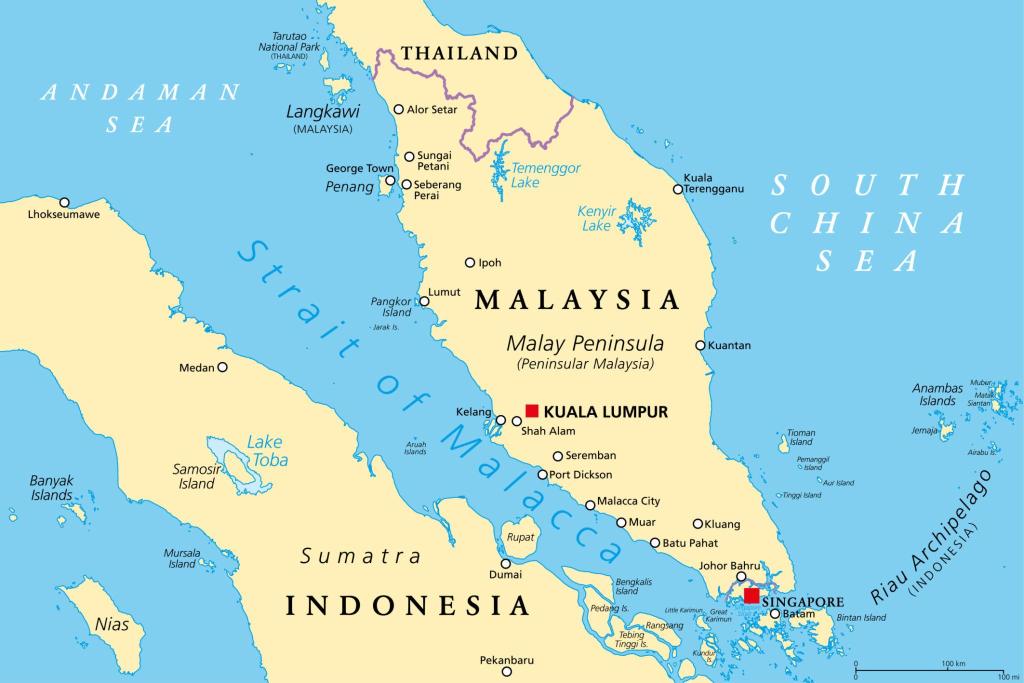
The Strait of Malacca lies between Malaysia, Singapore, and Indonesia and connects the Indian Ocean with the Pacific Ocean.
It is one of the busiest shipping routes in the world.
A large share of oil transported to major Asian economies such as China, Japan, and South Korea passes through this strait. Thousands of commercial ships use this route every year, making it one of the most critical arteries of global trade.
Because of its heavy traffic, the region has also faced challenges related to piracy and navigation safety.
Bab el-Mandeb Strait
The Bab el-Mandeb Strait is located between Yemen on the Arabian Peninsula and Djibouti and Eritrea in Africa.
It connects the Red Sea to the Gulf of Aden, forming a key link between the Mediterranean Sea and the Indian Ocean through the Suez Canal.
Ships traveling between Europe and Asia often pass through this route. Any disruption here can directly affect traffic through the Suez Canal, which is one of the most important shipping routes in the world.
Strait of Gibraltar
The Strait of Gibraltar lies between Spain and Morocco and connects the Atlantic Ocean with the Mediterranean Sea.
This narrow passage acts as a natural gateway between Europe and Africa. Every ship entering or leaving the Mediterranean Sea must pass through this strait, making it an important route for trade, tourism, and naval movement.
Turkish Straits (Bosporus and Dardanelles)
Turkey controls two important straits known collectively as the Turkish Straits:
- Bosporus Strait
- Dardanelles Strait
These waterways connect the Black Sea with the Mediterranean Sea.
They are extremely important for countries around the Black Sea, including Russia, Ukraine, and other regional states, because they provide access to international trade routes. Large quantities of oil, grain, and other goods move through these passages every year.
Danish Straits
The Danish Straits lie between Denmark and Sweden and connect the Baltic Sea with the North Sea.
Countries surrounding the Baltic Sea depend on these straits to access global maritime trade routes. They are also important for the movement of energy resources and commercial cargo from Northern Europe.
Sunda Strait
The Sunda Strait lies between the Indonesian islands of Java and Sumatra.
Although not as heavily used as the Strait of Malacca, it still serves as an alternative route for ships traveling between the Indian Ocean and Southeast Asia.
Why Maritime Chokepoints Matter
Maritime chokepoints play a crucial role in the global economy.
First, they support international trade by providing efficient shipping routes. A significant portion of the world’s goods travels by sea, and these narrow passages help ships move between major oceans and regions.
Second, they are essential for energy transportation. Many oil and gas shipments pass through these chokepoints before reaching global markets.
Finally, these routes are also strategically important for military and geopolitical reasons, which is why many nations closely monitor and protect them.
Risks and Challenges
Because chokepoints are narrow and heavily used, they are vulnerable to disruptions.
Some of the main risks include:
- Geopolitical conflicts
- Piracy and maritime crime
- Shipping accidents
- Blockades or military tensions
Even a temporary disruption in a major chokepoint can affect global supply chains and increase energy prices.
Strait of Hormuz Crisis
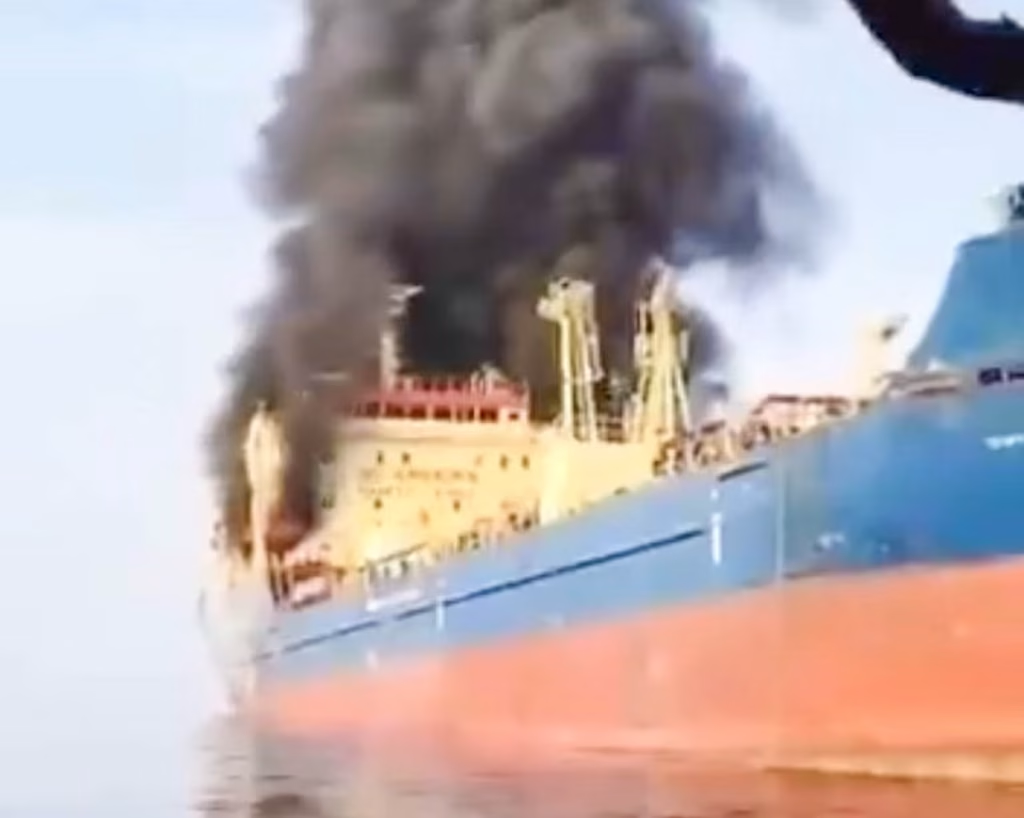
Recent geopolitical tensions have once again shown how sensitive global trade routes can be. In early 2026, the Strait of Hormuz became the center of a major crisis after military strikes involving Iran, the United States, and Israel. In response, Iran warned that ships attempting to pass through the strait could be targeted, which led many shipping companies to halt or avoid transit through the waterway. As a result, maritime traffic through the strait dropped sharply and hundreds of vessels were forced to wait outside the area
The Strait of Hormuz is particularly critical because roughly 20% of the world’s oil supply normally passes through it. Any disruption in this narrow waterway can quickly affect global oil prices, energy markets, and international shipping routes.
Suez Canal Traffic Blockage

Another example of how vulnerable global shipping routes can be occurred in March 2021, when the giant container ship Ever Green ran aground in the Suez Canal. The 400-meter-long vessel became stuck sideways across the canal, blocking all traffic for nearly six days. Because the Suez Canal is one of the busiest maritime routes connecting Europe and Asia, the blockage caused a major disruption in global trade.
During the incident, hundreds of ships were forced to wait on both sides of the canal, delaying the transport of oil, food, and manufactured goods around the world. Estimates suggested that trade worth billions of dollars per day was affected until the ship was finally refloated and the canal reopened.
From Author:
Creating this content required extensive research and careful validation of facts. AI tools played a significant role in supporting this process; however, obtaining accurate and meaningful results from AI depends on writing clear and well-structured prompts. For this purpose, I followed the RGOLD principle while conducting research and generating images. You can also learn how to write effective prompts for AI tools like ChatGPT by reading this guide on prompt writing.